
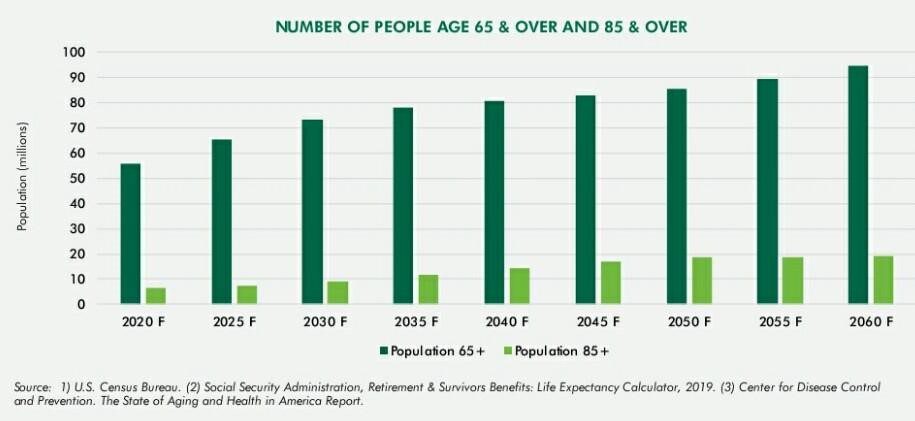
In the face of an increasingly “senior” population, attention is growing toward measures to promote active aging. In this scenario, a new residential model is emerging in real estate: senior housing living.
Senior housing living trends in 2020 provide valuable insight into the world in which we live today. As new technologies and economies affect people’s daily lives, it makes sense to identify the companies and factors that make up the housing market. By 2020, the popularity of products, services, and even locations in the community will grow rapidly, giving older people more control over their environment and daily activities.
Autonomous Living
Older people who want to stay autonomous can do so more easily, thanks to a smart home feature created to make life easier. Older Americans have the option to see their homes away from weather warnings that encourage them to take medication and switch to a security camera system. According to a 2017 Pew Research Center survey, 90% of households have at least one smart device with voice or apps.
Smart Technology
Voice-activated devices are very useful for people living with mobility difficulties. Some models can control the thermostat or locked door. In addition, voice activation significantly reduces the time and level of memory that users need to invest to learn how to use new devices.
- Smartwatches: In addition to following tracking your steps, smartwatches today can monitor blood pressure, heart rate, glucose, and oxygen. Some also offer scheduled reminders. This is perfect for those who need to take their medication every day at the same time. Many also provide an SOS calling function.
Demand for independent living facilities is declining
Active adult communities have a different business model than most independent housing structures, which are very expensive to maintain. Developers are less interested in independent living due to higher business and meal costs and shorter stays. Life support improves the ROI for caregivers based on ongoing demand and needs. Individuals who want to continue their independent life choose to do so instead of moving to a local nursing home in a city with an elderly population.
Home delivery Service
The gig economy benefits seniors in many ways. It is incredibly easy for people at home to order food online and get it delivered to their homes. DoorDash, UberEATS, and GrubHub offer delivery services, even if restaurants do not offer delivery services. Thanks to the abundance of this type of service, seniors will soon overcome obstacles to independent living. Seniors can have prepared meals and groceries at their homes in record time. They no longer have to drive or arrange for transportation unless they need to.
Community Relation
Recently, seniors have shown an increasing propensity to live in urban areas. Like the younger generation, seniors do not want to leave practicality and culture. Because baby boomers want to stay connected to a larger community. In 2020, we will see established retirement communities making a greater effort to facilitate transportation, and new communities being built close to urban centers.
Senior living housing trends in 2020 affect the lives of senior citizens. They dictate where people live and what types of accommodations are available to them. The projected trends also provide valuable insight into what awaits us in the future as workers plan to retire from the workforce and the intrinsic value of an investment in senior housing living. It gives them an idea of how to prepare economically for the life they have always wanted to live as they get older.
By Ola Ibiwoye BPHARM, RPH
What are the benefits of living in a senior living community?
Senior living communities provide a safe, comfortable, and social environment for seniors. They offer a range of services and amenities, including meals, housekeeping, transportation, and activities, that help seniors stay active and engaged. Senior living communities also provide access to healthcare services and support, which can be crucial for seniors with chronic conditions or disabilities.
What are the challenges of living in a senior living community?
Some seniors may find it difficult to adjust to a new environment, especially if they are used to living independently. Senior living communities may also be expensive, and not all seniors can afford them. Additionally, some seniors may prefer to stay in their own homes, where they feel more comfortable and familiar.
How is technology changing senior care in 2020?
Technology is changing senior care in many ways, from telemedicine and remote monitoring to smart home devices and virtual reality. Technology enables seniors to stay connected with their healthcare providers, track their health status, and receive care in the comfort of their own homes. Technology also enhances the socialization and entertainment options for seniors, which can improve their mental health and well-being.