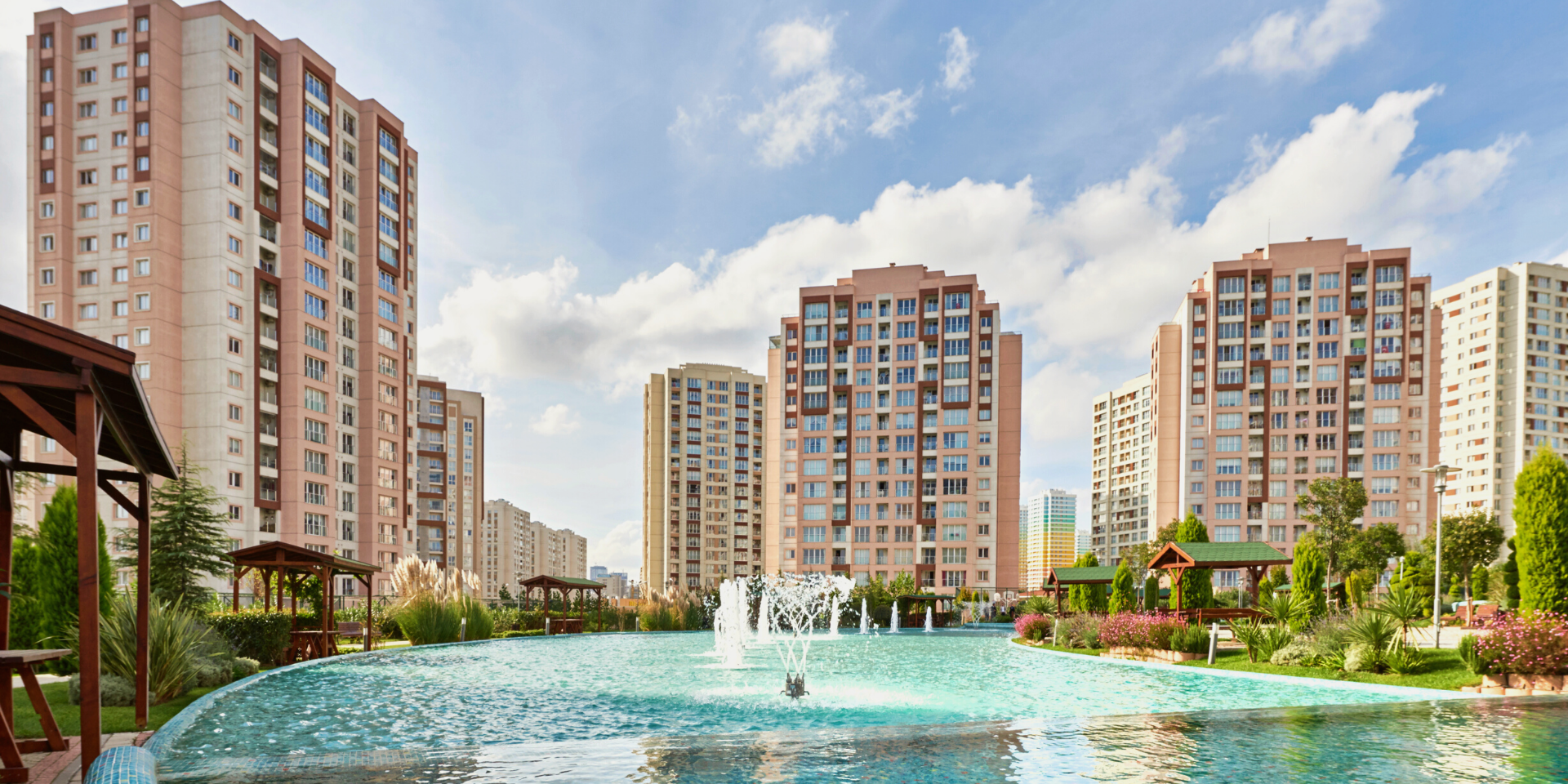
What Is Commercial Real Estate?
Commercial real estate (or CRE) is a property that is used exclusively for business or workplace purposes or to generate cash flow in some way for the owner or lessee. Commercial real estate spaces include office space, industrial properties, multi-family residential rental buildings containing more than five units, and retail spaces.
Commercial real estate is also governed by zoning, where certain types of commercial properties, such as industrial buildings, have to exist within their designated zones. Most commercial real estate properties are owned by investors who lease the property out to relevant businesses for longer than residential real estate leases, lasting from about five to ten years.
THE 8 TYPES OF COMMERCIAL REAL ESTATE
There are eight types of commercial real estate, each of which include their own operational quirks and risk profile. They include: multifamily, hotel, retail, industrial, mixed-use, office, multifamily, special purpose, and vacant land.
1.Multifamily
Simply put, multifamily real estate is a residential property with more than one unit. Having multiple tenants within a single property creates multiple income streams, which helps remove a bit of the risk of the investment. If one tenant moves out of an apartment complex, chances are you won’t notice a big hit to your bottom line since you have many other tenants continuing to pay rent.
The multifamily asset class includes everything from duplexes with two tenants to apartment buildings housing hundreds.

Duplex / Triplex / Quadplex
Like their names imply, duplexes, triplexes, and quadplexes are two, three, and four-unit properties, respectively. “Plexes” are considered multifamily since they have multiple units in one property, they provide tenants with a more residential home feel. Each of these units typically has its own entrance and they are similar in size.
Garden Apartments
Garden apartments are typically 3-4 story walk-ups with anywhere from 50-200+ units. This type of multifamily is often found in the suburbs where they can be spread out and offer surface parking. Units in a garden-style apartment complex are usually studio, one-, two-, and three-bedroom apartments and may or may not have patio space and private balconies. There are usually a collection of these apartment buildings on a single property, which may share amenities such as pools, clubhouses, playgrounds, dog parks, laundry rooms, fitness centers, and more.
Mid-Rise Apartments
Mid-rise apartments are typically between 4-11 stories and house anywhere from 30-100+ units. These projects are found closer to the urban core, where a developer can justify elevator service and garage-style parking. These complexes tend to be newer or renovated, due to current demand for urban living, and as such may offer modern amenities like recording studios, libraries, and dog washing stations. Walkable access to local conveniences, like coffee shops and nightlife, often drive demand for mid-rise apartments.
High-Rise Apartments
High-rise apartments are typically 12+ stories and can house 100+ units. These apartment buildings are found in the urban core of larger markets, often in and around the heart of the Central Business District. Like mid-rise apartments, these projects are heavily amenity driven with elevator service, garage-style parking, and can even offer restaurants and cafes on the ground floor.
2.Office
Office buildings contain spaces that are leased to companies who use it to operate their businesses. The space may be a general office like an accounting firm or investment advisor. Or, they may have specialized uses like a dentist’s office or research lab. Office investing can be more capital intensive than other types of commercial real estate due to the cost of turning over and building out space for incoming tenants.
Office buildings are generally categorized into two types: urban or suburban. Urban office buildings are found in cities and include skyscrapers and high-rise properties while Suburban office buildings are usually smaller in stature and sometimes grouped in office parks.
Office spaces are further broken up into Class A, Class B, and Class C assets depending on their age and quality.

Class A Office
They are prestigious buildings competing for premier office users with rents above average for the area. Class A buildings have high-quality standard finishes, state-of-the-art systems, exceptional accessibility and a definite market presence.
Class B Office
They are buildings competing for a wide range of users with rents in the average range for the area. The building finishes are fair to good for the area and systems are adequate, but the building does not compete with Class A at the same price.
Class C Office
They are buildings competing for tenants requiring functional space at rents below the average for the area. Medical office buildings are a specialty sub-sector in this space.
Central Business District (CBD)
Office buildings located in a central business district are intended to house some of the city’s largest companies – such as Amazon, Bank of America, etc. The CBD is characterized by high-density development, so these buildings are often mid to high-rise buildings with structured parking and elevator access. A number of professional services companies prefer to locate within these buildings due to the convenience and walkability factors.
Suburban Office Buildings
Suburban office space is built outside of the core and typically service parked. These buildings may or may not have elevator service and can be as large as a mid-rise. Businesses may choose these locations over the downtown core for several reasons: the location may be more convenient for them and their employees / client, they don’t have to commute and fight the downtown traffic and pricing is often more affordable than the core. Suburban offices can assemble into office parks with several different mid-rise buildings of 80,000-400,000 square feet located outside of a city center.
3.Industrial
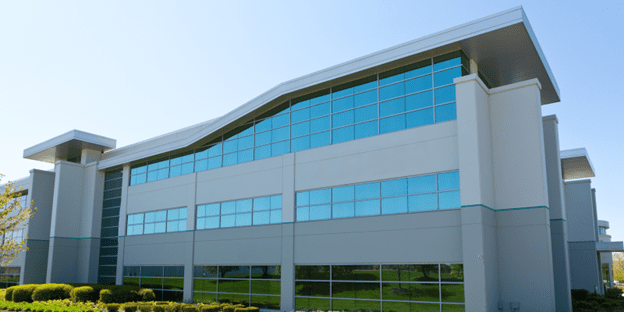
Industrial real estate is any real estate used for the purpose of industry, including heavy manufacturing, light assembly, bulk warehouses, and flex spaces that can mix industrial space with office space. Industrial properties widely range in size and use and this asset class has taken off over the last economic cycle thanks to the rise of delivery. These tenants often tend to stay in their locations for extended periods of time since there are few reasons for them to really relocate.
Bulk Warehouse
Bulk warehouse properties are the largest industrial product and are typically in the 50,000-1,000,000+ square foot range. Typically 5% to 10% of the overall square footage is dedicated to office area with the remainder housing warehouse space. Bulk warehouses tend to have lower parking ratios than other types of industrial real estate since there are often fewer employees working in this property type and very little to no customer traffic.
These properties are usually regional distribution for various types of products and require strong accessibility for trucks entering and exiting the highway systems. This type of industrial real estate is ideal for tenants in the logistics and distribution realm that need to ship goods to businesses or consumers and location is a key factor for them because of the accessibility.
Flex Warehouse
As the name implies, flex space is a flexible industrial product that may easily accommodate a wide range of uses. These warehouses usually have at least some portion of office space connected to the warehouse and can widely range in size to fit your small mom and pop plumber to regional granite distributors and more.
Flex spaces often have slightly lower ceiling height than the bulk warehouse; they’re often not as easily accessible as bulk warehousing since an immense amount of load-in and load-out isn’t their primary use.
Heavy Manufacturing
Heavy manufacturing space is often isolated within the most intense industrialized areas of municipalities due to its use of heavy machinery, chemicals, and power necessities. These properties are often heavily customized for the current user and their specific requirements, which can include specialized infrastructure, finishes, and power. In fact, this type of industrial tends to lean towards the retail environment in terms of its customization of space per tenant. Heavy manufacturing spaces are sometimes build-to-suit properties since the cost to renovate and modify an existing warehouse may be cost-prohibitive.
Light Assembly
Light assembly, unlike heavy manufacturing, isn’t typically utilized to manufacture materials, simply to assemble them and ship them out to distribution centers. Like flex space, light assembly can also be used for storage and office space (call centers, data centers). If used on the data center side, light assembly warehouses will need to take power redundancy and internal cooling into account, since the servers and massive amounts of cabling will be utilizing a significant amount of energy and throwing off heat.
4.Retail
Retail real estate is intended to house any business that sells products and services directly to consumers. These projects are typically located to provide the maximum amount of convenience possible to consumers. Retail properties are any buildings used for retail purposes. This can be anything from single storefronts to strip malls and shopping centers. Larger properties such as malls will typically have an anchor tenant, which is a larger department store that will draw other retailers to the property.
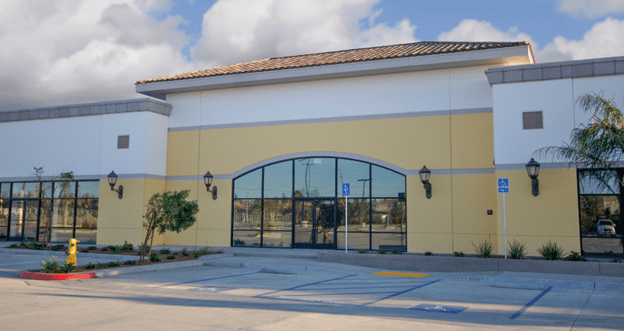
Community Retail Center
Community retail centers are often found in the range of 150,000-350,000 square feet and have larger trade areas. These shopping centers can have any mix of full-price and discount retailers, depending on which anchors occupy the property. They typically offer a range of apparel and other soft goods. Community retail centers are usually occupied by one or more big-box retail anchors, such as Kroger, Target, Best Buy, etc.
Out Parcel
Retail outparcels are often standalone, single-tenant pieces of real estate. These projects are often located out in front of larger shopping centers with massive draws or situated at high-traffic corners. Convenience is king for these operators and they play on the draw of major thoroughfares or other regional retailers. Businesses that occupy outparcels are banks and fast food restaurants like Starbucks, Panera, Buffalo Wild Wings, etc.
Power Center
A power center is a shopping center that is very heavily anchored by a major regional retail, such as a Wal-Mart or Bass Pro Shops. These shopping centers are often 30,000-200,000 square feet. These centers are often traded among institutional buyers due to their sheer size and scale and the tenants tend to be highly credit-worthy.
Regional Mall
Regional malls can be both indoor and outdoor and feature more specialty, high-end shops along with entertainment and restaurants. These malls can range from 400,000-2,000,000+ square feet and are also located along major thoroughfares near interstate access. Malls are often anchored by full-line department stores.
Strip / Neighborhood Shopping Center
Strip centers are smaller retail properties, often serving as neighborhood retail, that may or may not be large enough for anchor tenants. These centers are intended to provide customers with their day-to-day conveniences. Neighborhood retail has fared very well over the last economic cycle since it provides local residents with conveniences, such as groceries, pharmaceuticals, restaurants, and entertainment.
5.Hotels
A hotel is a type of commercial real estate that rents space to individuals by the night. There are three hotel types that investors should be aware of.
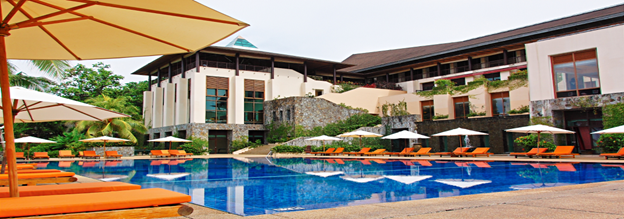
Full-Service Hotels
Full-service hotels are often located within the central business districts or tourist areas and offer a number of amenities, such as room-service and fitness centers, for travelers. Resorts are also included in this hospitality type and may have entertainment onsite, such as casinos, amphitheaters, and more.
Extended-Stay Hotels
Extended stay hotels have larger rooms with small kitchens, intended to serve travelers staying for a week or longer. These hotels may have smaller amenity packages, such as gyms or pools, to serve the clientele that may be staying for extended periods of time.
Limited-Service Hotels
Limited-service hotels don’t typically provide the amenities found in full service hotels and are intended to be an affordable option for the business traveler. These rooms tend to be of higher-quality than budget hotels but have little to no amenities in order to keep costs lower.
Mixed Use
Mixed-use properties are typically any combination of the above categories. Common examples of mixed-use properties are multi-family apartment buildings with retail spaces on the ground floor. All of the real estate types above have a dedicated, single-use, which is very common. But, there is an entirely different type of property that has a mixed-use, which means that it includes two or more property types. For example, a mixed use property could include a multifamily apartment building on top of a retail shipping center. These are very common in suburban areas that cater to individuals who want to live/work/shop all in the same place.
6.Land
All commercial real estate properties come with land, but sometimes it is vacant with no building on top of it. Land includes farmland, agricultural real estate, vacant land, or brownfield land that was previously used for industrial or commercial purposes and is available for reuse. This is an asset class in and of itself and there are three subtypes that investors should be aware of:
Greenfield / Agricultural Land
Agricultural land is vacant land that is used for agricultural purposes such as farming or pasture. It is often found in rural areas because it is relatively inexpensive and usually comes with significant tax benefits.
Infill
Infill land is vacant land that is located in an urban area where nearby properties have already been developed. For example, an infill lot could be located in the central business district of an urban city and its best use is to build up, like a high rise apartment building or office.
Brownfield
Brownfield land is the name used to describe land that has some sort of environmental impairment. For example, the groundwater could have known contaminants. In such a case, the land may be available for a good price because it can be very costly to remediate the environmental issues.
7.Special Purpose
A special purpose commercial building is one that is built for a very specific purpose that may not fit into the other categories described above. For example, sports stadiums, amusement parks, self-storage, student housing, parking lots, bowling alleys, movie theaters, or zoos are all special purpose commercial properties.
CONCLUSION
Commercial real estate is a type of asset that is purchased and leased to business tenants with the intent to earn a return through rental income and/or price appreciation.
Now that you know some of the basics of commercial property, you can make the decision whether to invest in these real estate opportunities. There is plenty of potentials to have a viable investment for years to come with the right property.
As informed investors we should understand the risks associated with real estate investing and that there is no guarantee. Please do your due diligence.
What Is Commercial Real Estate?
Commercial real estate (or CRE) is a property that is used exclusively for business or workplace purposes or to generate cash flow in some way for the owner or lessee. Commercial real estate spaces include office space, industrial properties, multi-family residential rental buildings containing more than five units, and retail spaces.