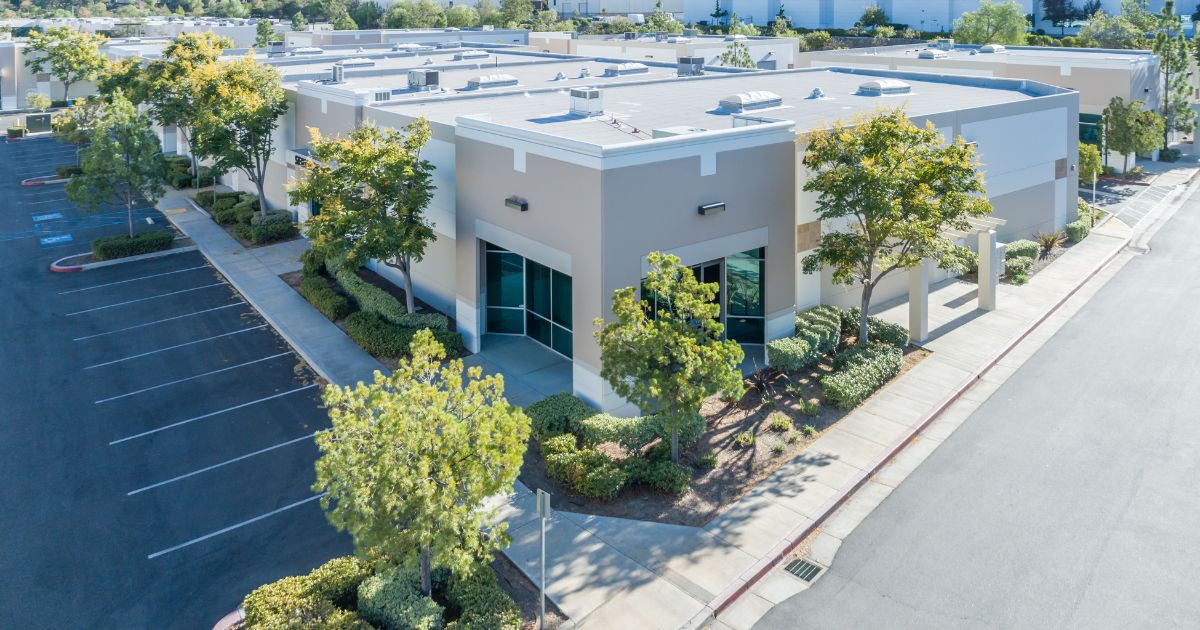
The term “commercial real estate development” typically refers to the ground-up construction of commercial investment properties leased out to third parties. Commercial real estate includes office buildings, retail centers, industrial facilities, and other commercially oriented properties. Multifamily apartment buildings and condo projects also fall within the scope of commercial real estate development. Commercial real estate development encompasses many different methods for generating returns for investors.
Real estate development involves participation from a wide variety of professionals, including architects, landscape architects, civil engineers, site planners, attorneys, environmental consultants, surveyors, title companies, lenders, architects, general contractors, and subcontractors, amongst a variety of others.
Real estate development is the continual reconfiguration of the built environment to meet various needs of space in society. This means that just finishing the physical construction of a building is only a single phase of development. It has to be reconfigured/ reorganized. Reconfiguration or rearrangement should be continued. Accordingly, roads, sewerage systems, houses, office buildings, factories, etc should be built, and managed, and thereby required space should be generated for the various social needs and wants.
Commercial real estate development is about taking ideas on paper and turning them into real property. It’s a process that delivers a product in order to meet some form of consumer demand. But the development process is intricate.
The commercial real estate development process is broadly broken out into three stages:
Site Selection and Evaluation
The initial phase of commercial real estate development involves a tremendous amount of research and analysis to determine if a proposed development is truly viable. A successful retail site must meet market demand, satisfy tenant requirements, satisfy lending conditions and regulatory requirements, and must accommodate the consumer.
Using multiple sources of information, commercial real estate developers look at all available properties within a designated trade area that meet basic site requirements. Some of the most important factors that go into determining the right site are:
- Property size
- Visibility
- Traffic flow
- Demographics
- Zoning Restrictions
- Surrounding Infrastructure
- Potential Access Points
- Competitors
- Nearby tenants
There are a whole host of additional factors that play into finding the right property to fit the client’s needs. Another one of those important factor is the cost basis. Which site provides the developer, and/or the client potentially lower construction costs and a greater investment opportunity?
Due-Diligence / Research
In this phase of the commercial real estate development process, steps are taken in order to satisfy legal requirements and ascertain the risks and advantages of the transaction. As prospective buyers, developers must thoroughly examine zoning restrictions, potential liens, and possible encroachments on the property.
The developer must ask themselves if the assumptions about the proposed development (legal, physical, economic, market) are valid or if have they been verified. Do you have to find out what kind of requirements are needed in order to develop the property? You’ll also want to determine what kind of offsite work you may be dealing with. Is the zoning in the area you’re looking at going to be allowed use? If the property needs to be rezoned or requires a variance, what’s that process? There are a number of questions you’ll want to get answered about potential sites.
Getting this information generally involves reaching out to municipal planning departments. It is important to remember that no two municipalities are the same, so initial engagement with planning departments will provide a sense of how pro-development the county might be. Once you have adequate information and a specific site selected, that’s when you dive into the process. Working with the municipal/city planner, you’ll establish that for a specific site, you plan to build for a specific user. This will give the city an idea of what your general development plans are.
Once your site has been preliminarily reviewed and selected, you’ll move forward with creating a site plan. Doing this allows you to visually address if this project can actually work. Can you meet setbacks? Can you meet parking requirements? These are just a couple of the questions you’ll be able to address once the site plan has been created.
Site Investigation Reports (SIR) / Feasibility Study
Site Investigation Reports are a collection of data/questions assessing the potential issues with the site, or what needs to be done in order to meet all requirements. These include requirements for:
- Parcel Land Use and Zoning
- Engineering
- Building Permits
- Fire Department Requirements
- Building Setbacks
- Parking Setbacks and Requirements
- Landscape Setbacks
- Lighting Ordinance
- Signage Requirements
- Access and DOT requirements
- Off-site/Public Improvements
- Utilities
- Water
- Sewer
- Storm Drainage
- Power
- Gas
- Phone/Cable
The goal of this data is to place emphasis on potential problems that could occur if a project is pursued. A thorough examination will provide the developer with some confidence that the project is feasible and has the potential to be profitable. Essentially the study asks, do the anticipated future benefits exceed the expected future costs of the proposed commercial real estate development?

COMMERCIAL REAL ESTATE DEVELOPMENT PROCESS
Certain elements and factors are worth considering when you’re looking at potential commercial real estate development opportunities, and they are:
Market saturation: “Learn the local saturation level for the type of project you have in mind. For instance, if you want to build a hotel, ask yourself, “Is the area already overloaded with hotels?” If it is, you might want to look elsewhere. Alternatively, think carefully about how you will make your hotel stand out from the rest.”
Local zoning laws: “Before you buy a property, be sure the local zoning laws permit completing the project according to your vision. Developers often realize they have problems with local zoning laws too late in the process.”
Crime rate: What’s the crime rate where you plan to build? If you got a great price on a property because crime is high but the area is improving, that might be advantageous. But if the area is not up and coming, you might wind up with a poor investment.
Natural disaster risk: A lot of people dream of owning a beachside bar in Florida, but what happens when a Category 4 hurricane blows through? Developing in an area with natural disaster risks means you have more to consider, such as building materials, special zoning laws, insurance, and more.
Potential liabilities: When you find a property you like, don’t take it at face value. Instead, dig deeper. Some properties have hidden liability issues that cause a variety of problems. For instance, a building might need asbestos or lead paint removed before it can be used. Additionally, research a building’s history. If it housed a previous tenant who worked with chemicals or toxins, you could be adopting an environmental nightmare.
How to Get Into Commercial Real Estate Development?
The secret to getting into commercial real estate development is to function under a more seasoned developer with enough experience in the field. Before starting your commercial real estate development, it is crucial to have some hands-on experience.
Working with someone with specialized knowledge is a great way to start. Another benefit is that you will get the chance to explore valuable resources that include professionals, monetary amounts, and investors. You can make contacts to grow further.
To work under any commercial property developer, you can join them as a business analyst, project manager, or as their assistant. Every role will give you an experience from ground level to all the upper levels. Once you are confident about your knowledge and expertise, you can dive into the commercial real estate development business immediately.
Pros & Cons of Investing in Commercial Property Development
Before you get into commercial property development, you must know the advantages and disadvantages of commercial property in the real estate industry. They are as follows:
Pros of Investing in Commercial Property Development
- No Cost of Furnishing:
The most significant advantage of investing in commercial properties is zero investment in furnishings. It is because once you lease out the floor or building to the renter, they pay the furnishing price. As an investor, you just have to provide raw property.
This is advantageous because any organization renting the property has to follow specific guidelines for performing functions. For example, a bank will have a different design, and a general store will have a different structure even though they are in the same building.
- Steady Income Flow:
The income from commercial property is stable and consistent compared to residential properties. This constant flow of income is not affected by any uncertainty. The rental amount is assured as the commercial tenants have a longer lease duration.
- Easy to Deal With Occupants:
Another benefit of investing in commercial property is that the tenants are usually corporate, bank, or retail chains. These commercial tenants are easy to deal with without running from the rent agreement.
- Elevated Rental Income:
Commercial properties’ rental yield is higher than residential ones. The rental amount is usually in double digits from commercial property. Investing in commercial real estate is one of the most prominent advantages. Sometimes the rent difference is 12% to 14% if the location and condition of the building are good.
Cons of Investing in Commercial Property Development
Hefty Investments: One of the immense disadvantages of commercial real estate is that it requires an extensive investment. The investment in residential properties is lower as compared to commercial ones. Therefore, you must be ready to invest a hefty amount for investing in commercial properties.
- Pricier Loans:
Commercial property loans are costlier than residential properties. The rate of interest, terms, and conditions all depends on the property type, investor profile, location, and repayment tenure. Further, the procedure of availing of loans is quite complex, and the banks or NBFCs take a longer sanction time.
- Fewer to Zero Tax Incentives:
Investing in commercial property does not provide any tax incentive to the investor. Overall, there is no tax benefit on the repayment of EMI, no tax rebate, and many more. It is one of the crucial cons while investing in commercial real estate.
- Hard to Find a Tenant:
It is hard to find the right tenant for commercial properties. The property remains vacant for more extended periods when one lessee moves out. Therefore, as an owner, you must keep some amount safe for EMIs for a period when one tenant is moving out, and another is moving in.
- Maintenance Sufferings:
The maintenance of big commercial buildings is a larger expanse. Therefore it is one of the drawbacks of investing in commercial properties. The renovation of a commercial setup is a massive cost.
CONCLUSION
Commercial real estate development creates something the tenants want and need. The construction of your commercial properties must be exclusive and different. You must offer various unique selling propositions (USPs) to lease out your commercial property and earn stable rents for long terms. Moreover, after knowing the pros and cons of investing in commercial properties, you know how to begin the process of commercial real estate development.
As informed investors we should understand the risks associated with real estate investing and that there is no guarantee. Please do your due diligence.