What Is Property Management?
Property management is the daily oversight of commercial real estate by a third-party contractor. Generally, property managers take responsibility for day-to-day repairs and ongoing maintenance, security, and upkeep of properties. They usually work for the owners of investment properties such as apartments, condominium complexes, medical buildings, shopping centers, and industrial parks.
Their main roles are to manage routine tasks delegated to them by the owners and to preserve the value of the properties they manage while generating income.
The responsibilities of a property manager generally involve the following:
- Screening potential tenants
- Drafting, signing, and renewing leases on behalf of property owners
- Collecting rent
- Maintaining properties including landscaping and snow removal
- Arranging for necessary repairs to properties
- Setting up and adhering to budgets for property maintenance
ESSENTIAL TIPS FOR COMMERCIAL PROPERTY MANAGEMENT
1. Use Good Commercial Property Management Software
If you’ve done your research, you will know how essential management software can be for commercial estates. You will be dealing with various tenants in one property alone. Keeping track of all the changes, duties, and responsibilities can be overwhelming. In one commercial estate alone, you will be dealing with:
- The types of businesses occupying the property.
- Total cost calculation.
- Rent collection; the amount from each tenant.
- Maintenance is required for each unit.
- Leasing.
- Local and federal rules and regulations.
- Management software can help you sort all necessary information in relevant portfolios allowing for efficient commercial property management.

2. Master Your Lease Agreement In And Out
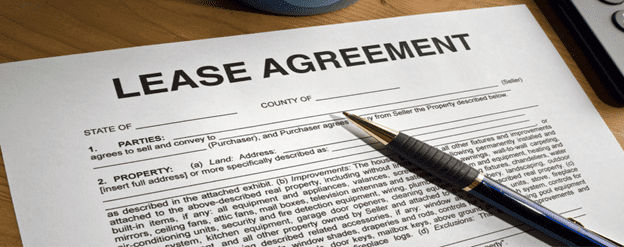
The lease is an essential part of the purchase and upkeep of commercial estates. It will protect you and your property in case someone tries to mess with you. When drafting a lease, you must seek legal help and ensure they cover every possible scenario where someone can try to cheat you. However, as a manager/owner, you must also make sure the agreement is fair to your tenants. Here it is ideal if you consult not only a lawyer but also an efficient property manager who has experience in commercial estates.
3. Upgrading Of Amenities
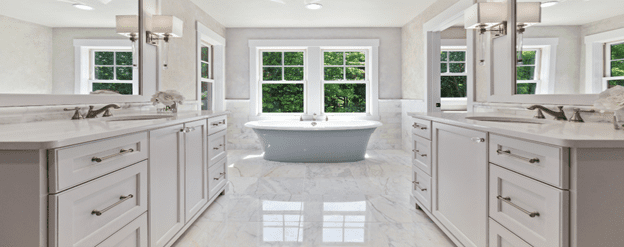
Upgrades can be expensive, but they can attract more tenants in the long run. While you don’t have to provide your tenants with a decked-out unit, you should consider enhancing the common areas. For example, you could put smart plumbing fixtures in your office building’s bathroom.
Similarly, you should look into upgrades that let you save money. If you’re concerned about energy efficiency, you could replace old heating and cooling systems and conduct an energy audit. A commercial property management company can help you pinpoint “problematic” amenities in your multi-unit commercial property.
4. Be Proactive With Property Maintenance
Commercial property maintenance should be of prime importance. It’s the best way to ensure that your commercial building stays in pristine condition for as long as possible. Preventive maintenance reduces the risk of unexpected expenses that could derail your investment goals.
Your proactive maintenance plan should cover the following aspects:
- Electrical systems
- Heating and cooling systems
- Ventilation systems
- Plumbing systems
- Landscaping
- Pest control
- Replacements (e.g. appliances and equipment)
- Wear and tear (e.g. paint, tiles, etc.)
With commercial properties, the task can be difficult, however, a property management company can help. They can preemptively address potential issues before they can turn into serious problems.

5. Make Your Tenants Happy
When you lose your renters, you lose your income. Sometimes, commercial property renters will relocate because they want to expand their business. Other times, they will leave because they’re unhappy with their lease. While there’s nothing you can do about the first situation, the second one can be prevented.
To ensure that your tenants stay for as long as possible, you need to make them happy. This means creating an environment that they’d never want to trade for anything else. For example, you should consider improving the menu of your on-site cafeteria or providing faster Wi-Fi.
Below are some tenant management tips to keep in mind:
- Meet with your tenants. Schedule regular meetings with your tenants to discuss policy changes and other issues that could affect them. Encourage your tenants to voice out their concerns so that your property management company can address them accordingly.
- Conduct inspections. Are you sure that your tenants are staying true to the terms of the lease? If you don’t inspect your tenants’ units, they’ll likely do things that aren’t. Don’t be lenient when it comes to your commercial property’s rules, the last thing you want is for a tenant to conduct illegal activities.
- Document tenant-related communications. Keep copies of tenant-landlord communications, as these can help you in case your tenant decides to sue. While thorough tenant screening can prevent this, it’s better to be prepared. If possible, put everything in writing (e.g. emails and letters).
- Take action immediately. Respond to repair requests from tenants immediately, especially when it involves essential services such as heating and cooling systems. Failure to do so may result in the tenant taking legal action against you.
- Keep your tenants in the know. By using property management software, your tenants can stay in the loop at all times. Doing this prevents tenants from claiming that they never knew about certain policy changes, or that they weren’t informed about repair works.

As informed investors we should understand the risks associated with real estate investing and that there is no guarantee. Please do your due diligence.
What Is Property Management?
property management is the daily oversight of commercial real estate by a third-party contractor. Generally, property managers take responsibility for day-to-day repairs and ongoing maintenance, security, and upkeep of properties. They usually work for the owners of investment properties such as apartments, condominium complexes, medical buildings, shopping centers, and industrial parks.