
Emerging markets are the markets of developing countries that are rapidly growing and industrializing. Emerging markets are nations that are investing in more productive capacity. They are moving away from their traditional economies that have relied on agriculture and the export of raw materials. Leaders of developing countries want to create a better quality of life for their people. They are rapidly industrializing and adopting a free market or mixed economy.
How Emerging Markets Work
There are five defining characteristics of an emerging market:
- Low income
- Rapid growth
- High volatility
- Currency swings
- High potential returns
These characteristics are found in emerging markets of all sizes.
Characteristics of developed markets may include strong economic growth, high per capita income, liquid equity, and debt markets, accessibility by foreign investors, and a dependable regulatory system. As an emerging market economy develops, it typically becomes more integrated with the global economy. That means it can have increased liquidity in local debt and equity markets, increased trade volume, and foreign direct investment. It can develop modern financial and regulatory institutions.
Critically, an emerging market economy is transitioning from a low-income, less developed, often pre-industrial economy towards a modern, industrial economy with a higher standard of living.
Building housing is complicated and costly.
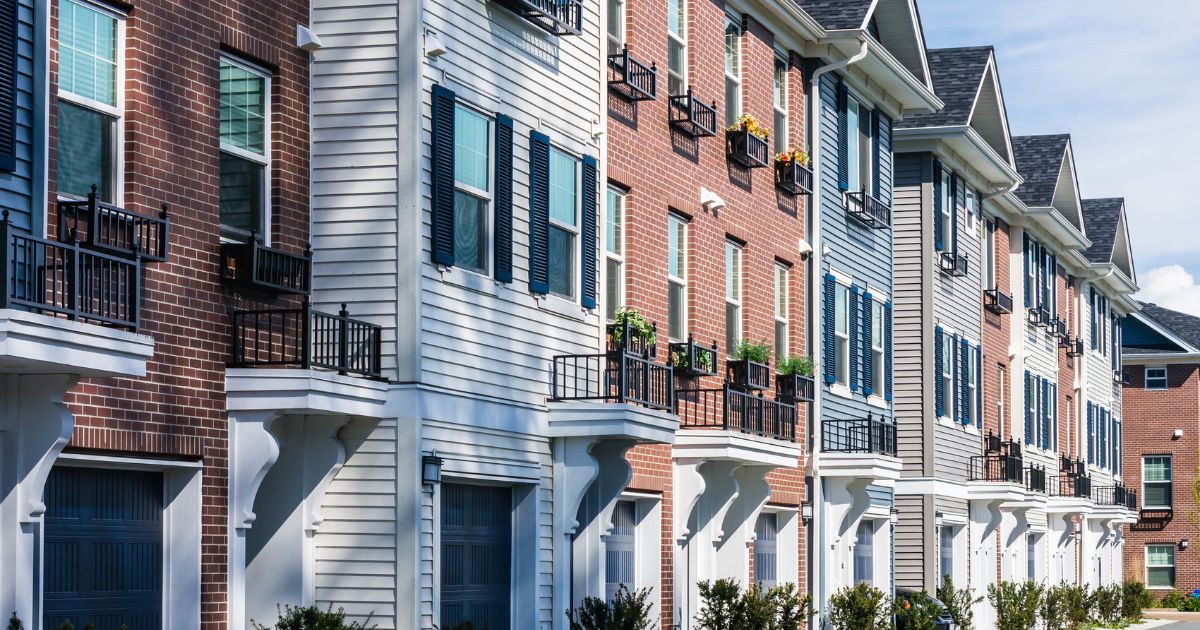
Real estate development is the process of building new structures and modifying existing ones to increase the property’s value. In general, that means developing the property into commercial or residential buildings ranging from apartment complexes and multi-family homes to restaurants, offices, and retail spaces. Developers handle the project from start to finish: They plan, design, and finance the venture, as well as assemble a team to execute the plan. Once the project is completed, the developer usually sells the property to a real estate investor.
Naturally, demand for apartments in in-migration markets is rising as people increasingly relocate to these places. Smart investors are focusing on apartment communities in lower-density submarkets just outside the larger cities and urban cores of these emerging markets now before pricing catches up with demand levels.
Developers are primarily engaged in the development of housing on land that is owned or controlled by the builder rather than the homebuyer or investor. This includes operators that build single-family or multifamily homes. These operators are often referred to as merchant or speculative builders.
The developer usually conducts residual land analysis before purchasing a potential apartment development site. This land analysis includes determining how many apartments the site can accommodate and the average sale price for an apartment in the area and deducting risk profit, professional fees, construction costs, marketing, and interest, among other things.
From land acquisition to project design to entitlement to financing, a developer must go through numerous steps before the first shovel ever hits the ground. However, the steps that a developer navigates to take new housing from idea to occupancy are not well understood by the public or by policymakers. They help the development of speculative condominiums and development of speculative apartments (high-rise and low-rise buildings).
As a result, some well-intentioned decisions such as imposing inclusionary zoning requirements on new developments when those requirements are not supported by market fundamentals may lead to fewer, rather than more affordable housing units being built.
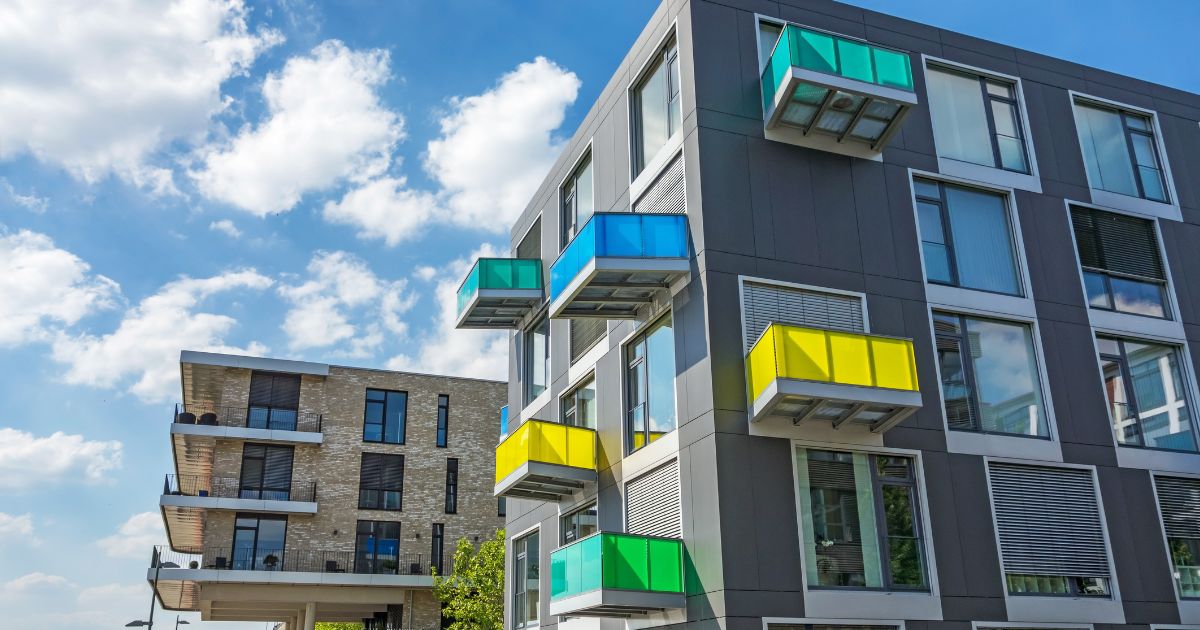
THE DEVELOPMENT PROCESS OF AN APARTMENT BUILDING
As with any large and complex undertaking, bringing a housing development to life requires both a big-picture vision and attention to detail. A housing development is usually described as having four major phases: Concept, Predevelopment, Construction, and Lease-up/Occupancy, and Ongoing Operations.
- Creating a Development Strategy (information gathering)
- Finding a site
- Predevelopment and site assessment
- Developing a Request for Proposals (RFP) & selecting a developer
- Construction
- Occupancy and ongoing operations
- Creating a Development Strategy (information gathering)
The development strategy outlines the who, what, where, and how of a community’s affordable housing needs and is an extension of the community’s needs assessment (see the Assessing Housing Needs section). It reflects the broader community’s understanding of its needs and opportunities. A good strategic plan will identify the details, providing information to help assess the appropriateness of a real estate site.
- Finding a site
Research and identify land that is currently on the market or municipally owned. Your planning or community development department, and local housing authority, are good sources for site information.
- Predevelopment and site assessment
Preliminary evaluation of the site A preliminary evaluation of the site’s physical characteristics and a review of local, state, and federal regulatory requirements will identify issues that affect the development concept. These issues include but are not limited to zoning, wetlands, stormwater, and wastewater. Zoning review and allowable use assessments can be completed by the municipality; it is important to include this information about the site in an RFP. Other tasks needed to evaluate the site should be completed by consultants or engineers, as described below.
- Developing a Request for Proposals (RFP) & selecting a developer
If analysis and information obtained during pre-development lead to the conclusion that the selected site is ideal for housing development, and the proposed development is financially feasible, then you can begin the process of disposing of the land. This includes the following steps:
- Drafting a Request for Proposals (RFP)
- Selecting a developer
- Executing the development agreement
- Disposing of land through a fee-simple sale or a long-term lease agreement.
- Construction
In the construction phase, zoning issues have been resolved, a contractor is hired, construction financing closes, and a permit is issued. Construction work can begin. Property marketing will likely get underway during construction. State- and federally-supported affordable housing will have marketing requirements, including an affirmative fair housing marketing plan. This plan must be followed at the initial lease-up/sales period and during the project’s operations.
- Occupancy and ongoing operations
Once construction is complete and a predetermined percentage of the units are occupied, the developer can close on the project’s permanent financing and proceed to property and asset management. Property management involves day-to-day operations. Asset management is the positioning of the property to ensure its soundness as an asset and resource.
As informed investors we should understand the risks associated with real estate investing and that there is no guarantee. Please do your due diligence.