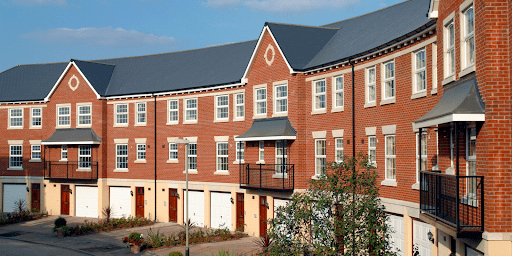
When wanting to participate in senior home development, whether acquiring, building, or refinancing, securing finance is a crucial first step. Fortunately, people looking for answers have a wide range of possibilities.
With about 10,000 Baby Boomers reaching retirement age daily, the senior housing market has had ups and downs over the past several years. Still, it continues to be a solid area for investment.
These are a few of the several options available today for obtaining finance for your senior housing project:
-
SBA 504 Loans
Small Business Administration loans are another government-backed funding option accessible for senior home establishments. More specifically, individuals looking to renovate, construct, or buy an assisted living facility can use the SBA 504 program as a low-cost financing option. Long-term, fixed-rate loans are available under the SBA 504 program, and just a 10% down payment is needed.
Via the SBA 504 Green Program, the SBA also funds individuals who want to adopt environmentally friendly practices. Borrowers must invest in a new property that consumes 10% less energy or reduce their facility’s energy use by 10% by incorporating green choices like wind, solar, or geothermal power.
-
Loans Backed by HUD
For the construction, renovation, and purchase of senior housing properties, the U.S. Department of Housing and Urban Development (HUD) provides long-term, fixed-rate, non-recourse loans.
The 232 program of HUD provides mortgage loan insurance to fund the building and renovation of institutions like nursing homes, board, and care homes, and assisted living facilities that are designed for older adults who require long-term care or medical treatment. In contrast, borrowers who wish to buy or refinance a senior housing property can use HUD’s 232/223(f) loan program.
-
Traditional Loans
While government-backed loan programs offer some of the finest terms available, conventional loans from banks, credit unions, and other private lenders are another lending option to consider when financing senior home properties. Yet, it is crucial to remember that conventional loans often have higher interest rates, shorter amortization terms, and stricter credit score criteria because they are not insured by government-backed companies. Yet, conventional loans have a quicker closing time and more lenient lending requirements.
-
Senior Housing Loans from Freddie Mac
Another GSE that offers to finance senior housing complexes is Freddie Mac. Potential borrowers may find Freddie Mac loans appealing since they are frequently given at interest rates that are lower than those of conventional bank loans. The Freddie Mac senior housing loan program is similar to Fannie Mae’s in that it is intended for the purchase and refinancing of specified senior housing facilities, such as independent living, assisted living, memory care, and buildings with certain skilled nursing units.
The adjustable-rate loan periods for Freddie Mac’s senior housing loan program range from five to ten years, while the fixed-rate loan terms can last up to thirty years. Freddie Mac loans are non-recourse with typical carve-outs, with LTVs up to 75%, and DSCRs as low as 1.30x. With fixed-rate loans, there are prepayment choices like defeasance, but there are also yield maintenance options.
-
Senior Housing Financing from Fannie Mae
Offers some of the finest loan conditions for senior living facilities as a government-sponsored enterprise (GSE) committed to maintaining enough liquidity, stability, and affordability when financing homes across the United States. The majority of senior housing options are covered by the program, including independent living, assisted living, and memory care facilities. The program is also accessible to select skilled nursing facilities and continuing care retirement homes.
A senior housing facility developed specifically for seniors can be purchased or refinanced utilizing the five- to 30-year terms, amortizations of 30 years, fixed and variable rates, and up to 75% of LTV offered by Fannie Mae’s senior housing loan program. With typical carve-outs, the majority of loans are non-recourse. In order to assist borrowers in managing interest rate risks, Fannie Mae also provides early rate locks through its Streamlined Rate Lock option.
Conclusion
These funding options are available to assist you once your financing has been secured and it is time to create your senior living facility or upgrade existing facilities, among other things. The finance facility model will help you develop the most out of your property. This financing option might aid in realizing your senior living facility’s dream.
As informed investors, we should understand the risks associated with real estate investing and that there is no guarantee. Please do your due diligence.
How much capital is required to finance a senior living housing development project?
The amount of capital required for a senior living housing development project can vary depending on various factors such as location, project size, and complexity. However, it is generally recommended to have a substantial amount of capital available to cover the costs of land acquisition, construction, and operating expenses.
What are some common mistakes to avoid when securing financing for a senior living housing development project?
Some common mistakes to avoid when securing financing for a senior living housing development project include not having a strong business plan, failing to conduct thorough research on financing options, not building a strong network of industry professionals, and not being prepared to answer lender’s questions about the project’s financial projections and feasibility.