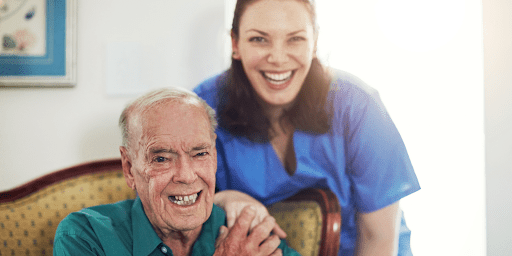
A greater proportion of individuals are anticipated to seek long-term services and support as the population of the United States ages. The need for knowledge about senior living investments, which include housing and supportive care for older persons, is growing among healthcare professionals as a result of this transition.
Healthcare teams must have a thorough understanding of the environments in which their patients reside, especially in light of the coronavirus epidemic, which disproportionately affects elderly people living in congregate care settings. Senior living facilities, albeit they offer older person shelter and healthcare services, have mainly been excluded from the coronavirus discussion.
As a result of safeguards taken to lessen the transmission of the coronavirus, a mix of outside services, direct care workers, and family caregivers who provide care and social support are now restricted. The entire health and well-being of senior residents are impacted by social isolation, loneliness, delirium, dementia treatment, medication delivery, and the impacts of the coronavirus epidemic on caretakers.
The goal of a competent healthcare staff at a senior living community or facility is to provide elders with the finest care possible every day.

The Role Of A Good Healthcare Team In Preserving A Senior Living Housing Investment.
-
Communication And Preparation For Care
Each resident’s care plan is developed at senior living facilities. A resident’s health care team and the senior living facility can communicate with one another following a change in the resident’s condition to discuss the care plan.
By placing a strong emphasis on coordinated care and participatory decision-making, care plans can help the care team’s roles become more clear. State-specific standards for care plans differ, but generally speaking, they include resident needs, preferences, and the accompanying social and medical services.
A medical practitioner will be needed to conduct the pre-admission exam for the residents, which may involve a review of medication and a clinical evaluation for fall risk, physical and cognitive decline, and behavioral problems.
-
Transitions In Care
Senior living facilities create individual care plans for each member. The care plan can be influenced by the entrance evaluation, as well as by discussions between the senior living facility and the resident’s doctor following a change in condition. By placing a strong emphasis on coordinated care and participatory decision-making, care plans can help the care team’s roles become more clear.
Although state-by-state regulations for care plans differ, generally speaking, they outline resident needs and preferences and the accompanying health and social services, The pre-admission evaluation, which may involve a medication review, clinical evaluation for fall risk, physical and cognitive decline, and behavioral issues, may be required by residences.
-
Taking Care of People Living With Dementia and Related Issues
Teams of medical professionals are crucial in the diagnosis and treatment of dementia. State-by-state variations in the proportion of senior living residents having an ADRD diagnosis range from 24% in Minnesota to 47% in North Carolina.
Senior living facilities are increasingly caring for PLWD. Dementia is connected with behavioral symptoms, such as agitation, anxiety, sadness, delusions, impatience, and insomnia. Controlled egress (to prevent residents from leaving the facility except in an emergency), dementia-specific staff training, more staffing, or more cognitive exams are typical features of dementia-specific facilities, however, particular restrictions may apply.
-
Medication Administration
Older adults often need help with drug administration. Healthcare providers may prescribe medications to senior residents based on resident and family choices as well as staff requests.
Analgesics, anticoagulants, antidepressants, antihypertensives, and antipsychotics are among the medication groups that might be detrimental to older persons due to higher risks of drug interactions, anticholinergic effects, falls, and early mortality. For medication-related queries and concerns, doctors may act as a resource for senior residents and staff when there is a shortage of clinical professionals.
At senior living facilities, prescribers, nurses, pharmacists, and direct care personnel are all involved in medication management. Most settings allow residents who can administer themselves, as determined by a doctor.
-
The Care Of The Dying
Due to the presence of other residents who have cognitive impairment and personnel with varied degrees of training and experience in EoL care, end-of-life care for senior living populations is accompanied by specific problems. At the time of death, 57% of senior living residents were still residing there.
Palliative senior living services concentrate on the care of chronic illnesses because the majority of resident fatalities in senior living facilities are caused by a steady decline. The health care team is required to collaborate with staff at senior living institutions and other outside organizations as well as manage the changing medical care needs of their patients.
CONCLUSION
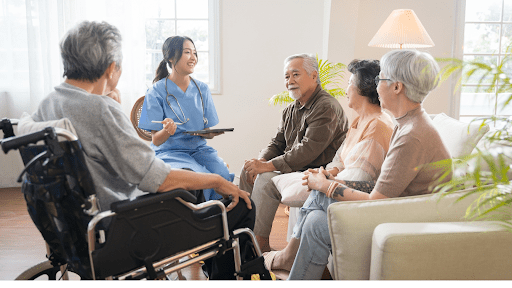
The vital but frequently ambiguous health care team involved in senior resident care processes. This assessment, albeit not exhaustive, tries to draw attention to a problem that is still little understood but is crucial to the welfare and care of senior residents.
Further study will be required to examine the variations between states and their effects on medical practices and resident care because each state has distinct Legal rules and requirements for physician duties. To encourage resident autonomy, senior settings offer a range of care services to residents, from help with housework to clinical care and hospice. Senior living employees get less clinical training than those working in facilities with licenses to provide healthcare, making the involvement of physicians even more crucial.
Roles on the healthcare team require juggling residents’ choices and values with clinically appropriate outcomes. To guarantee resident well-being and collaboration, all care team members must comprehend how to support informed decisions for individuals under their care. Care workers, nurses, specialists, and families all have an impact on how residents and their doctors interact.
As informed investors, we should understand the risks associated with real estate investing and that there is no guarantee. Please do your due diligence.