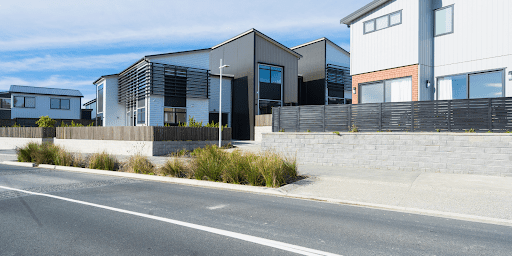
Commercial real estate that is used for industrial activities including manufacturing, warehousing, and distribution is known as industrial real estate. Industrial properties are frequently found close to ports, airports, or significant highways because these locations typically have adequate transportation infrastructure.
The Industrial Revolution significantly influenced how the modern world economy functions. Some of the first factories began to manufacture goods that had previously been made by hand with the use of new technology like the cotton gin. Transportation improvements also made it possible for producers to significantly expand their consumer markets.
The necessity for a larger workforce for factories led to the need for denser urban populations, which in turn affected how our businesses run and how our cities are planned. To accommodate the housing demand, buildings are constructed higher and closer together, resulting in a boom that is synergistic with urbanization and the advancement of industrial technologies. Because it is essential to the foundation of our society, industrial real estate is one of the most valuable possessions you can own.
Classes Of Industrial Real Estate
Every commercial structure has a class grade associated with it. Class A, Class B, or Class C buildings are designated. It’s crucial to think about which class of building makes the most sense for your investment when buying industrial real estate. This means that, in some situations, the investments you make will be more likely to experience capital growth, but, in other cases, the investments will be more suited to capital preservation.
-
Real Estate In The Industrial Class A
The newest and best-quality buildings on the market are typically class A industrial buildings. The industrial properties constructed nowadays are of the highest quality, with amenities like high ceilings and state-of-the-art mechanical and utility systems. Investors can feel secure knowing that there aren’t many problems with these top-notch industrial buildings that would necessitate them making more investments in their asset. Additionally, they often have low vacancy rates and high-income tenants.
-
Real Estate In The Industrial Class B
Class B industrial real estate frequently refers to slightly older structures, while it can also refer to brand-new structures without all the newest conveniences. Industrial properties in Class B often have lesser rental income than those in Class A. Class B properties, on the other hand, are typically well-maintained, which draws in investors who view these assets as “value-add opportunities,” or properties that can be upgraded into Class A homes.
Because these assets are considered as carrying a higher risk by purchasers due to anticipated vacancy difficulties, it might occasionally be simpler to find a compelling bargain. Because these assets are considered as carrying a higher risk by purchasers due to anticipated vacancy difficulties, it might occasionally be simpler to find a compelling bargain.
However, if the property is in a desirable area, Class B properties can be a terrific alternative for an investor who is hoping to generate cash flow right away and hold onto their asset while the land rises.
-
Real Estate In The Industrial Class C
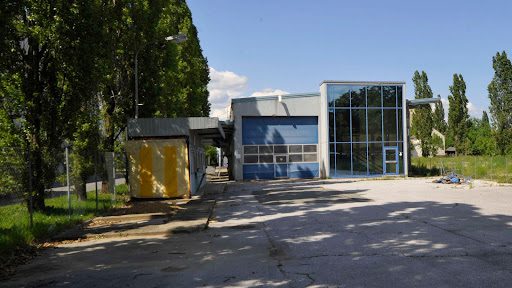
Industrial real estate classified as Class C often refers to structures that are 20 years old or older, have several maintenance difficulties, and are occasionally situated in less desirable areas. Class C industrial real estate buildings have the lowest rental rates available on the market, which makes it more challenging to find passive income prospects. Investors that are prepared to invest time, money, and creative energy in the property’s restoration should consider class C industrial buildings. These properties have a tremendous upside potential if properly executed and can be upgraded into assets of higher value.
Industrial Properties Come In Many Various Forms, Each With Special Qualities Of Their Own.
The following are a few of the most typical kinds of industrial properties:
-
Warehouses:
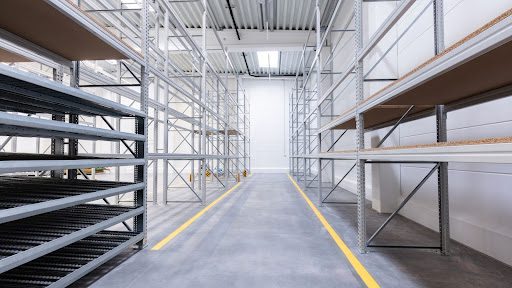
Materials and merchandise are kept in warehouses. They frequently have spacious layouts with high ceilings, loading docks, or other amenities that make it simple to load and unload cargo.
-
Distribution Centers:
Goods are stored and distributed in distribution centers. They often have more complex technology, such as conveyor belts and automated storage and retrieval systems, and are larger than warehouses.
-
Manufacturing Facilities:
Manufacturing facilities are where goods are produced. They frequently demand a large amount of area and have a wide range of machinery and equipment.
-
Light Manufacturing, Assembly, And Distribution
activities take place on light industrial premises, which are employed for smaller-scale industrial operations. They may not need as much specialist equipment and often have less area than other industrial sites.
CONCLUSION
Investors looking for assets with consistent revenue and long-term growth potential may find success in industrial real estate. Industrial buildings can be leased to a wide range of different enterprises and are frequently in high demand.
As informed investors, we should understand the risks associated with real estate investing and that there is no guarantee. Please do your due diligence.