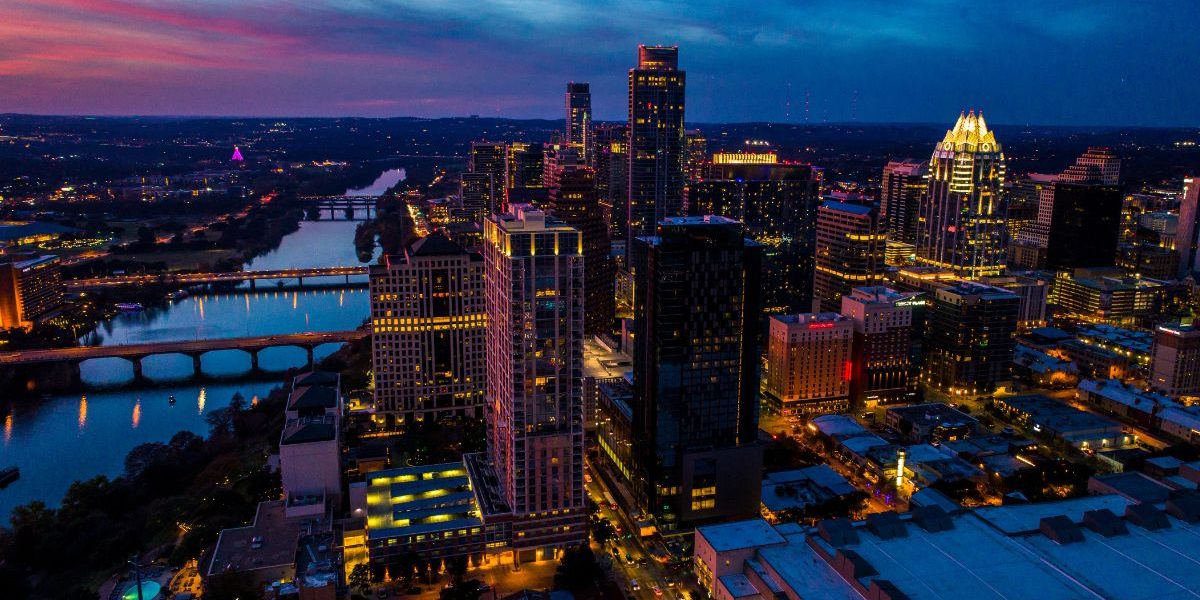
Austin is the Capital of the State of Texas and is also known as the “Human Capital”. It has developed various, inventive, and contemporary ecosystems that have many different layers. It is home to entrepreneurs, startups, growing companies, and tech giants.
Austin, Texas is known for its outstanding food, great live music venues, art scene, thriving nightlife, and geographical features. It is clearly one of the hottest housing markets in the country and is rapidly rising in popularity as a place to live and visit, thanks to a fantastic culture and friendly locals. Austin’s rapidly expanding economy is driving more demand and dollars into the city than ever before.
The Texas capital has become a hot spot for millennials and creatives as they seek a balance of career opportunities and cultural amenities. Austin’s abundant job market is attracting a highly educated workforce, meaning renters can afford and are willing to pay higher rents.
Rental vacancy in Austin is at a five-year low, hovering at just 3%. The national average is over double that at 6.5%, an indication of the high demand to live and rent in the Austin area. It’s just another sign of how Austin, Texas holds great opportunities for real estate investors.
TEXAS AS A VIABLE MARKET FOR COMMERCIAL REAL ESTATE INVESTORS
After nearly a year and a half of living with Covid-19, many households went through long-term lifestyle changes, such as career reorientation and cross-country moves. New opportunities were brought out by the pandemic, especially the sudden popularity of remote work, which triggered many of these circumstances. This dramatic evolution in work models has affected the real estate market across the country. Now, investors must reconsider where to focus their efforts and which assets may be better for expanding and balancing their portfolios.
According to a recent CBRE study, Austin, Texas, is considered the number one target market for commercial real estate investment post-pandemic. And here is why:
Population:
It is the 11th largest U.S. city with an average of 2.2 million metro area population. The Austin Round Rock MSA also has one of the highest growth rates in the country, coming in at 22.5% growth between 2010 to 2017. As an investor, one of the top reasons you should buy an Austin real estate property is the city’s growing population.
As the population grows, it’s evident that the city of Austin has significant opportunities. Real estate investing relies on this fact as the real estate industry thrives in these conditions. It is one of the fastest-growing cities in the U.S. because the job sector is healthy, effectively creating new employment choices on a continuous basis.

Employment:
Austin’s economy is robust, boasting about a 3% unemployment rate versus 4% nationally, which is not surprising considering it was ranked the no. 1 most recession-recovered city in America in 2017. According to the Austin Chamber of Commerce, 43% of the region’s population is in peak working years between 18 to 44 years old.
Austin is ranked the second most millennial-friendly city in the US. Austinites aren’t your average employee either; they are some of the most educated in the nation. Austin is also ranked in the top 10 most educated cities in America and the second-best city for college graduates. In a city full of young and zealous potential, there is bound to be loads of employment and development.
Industrial Migration:
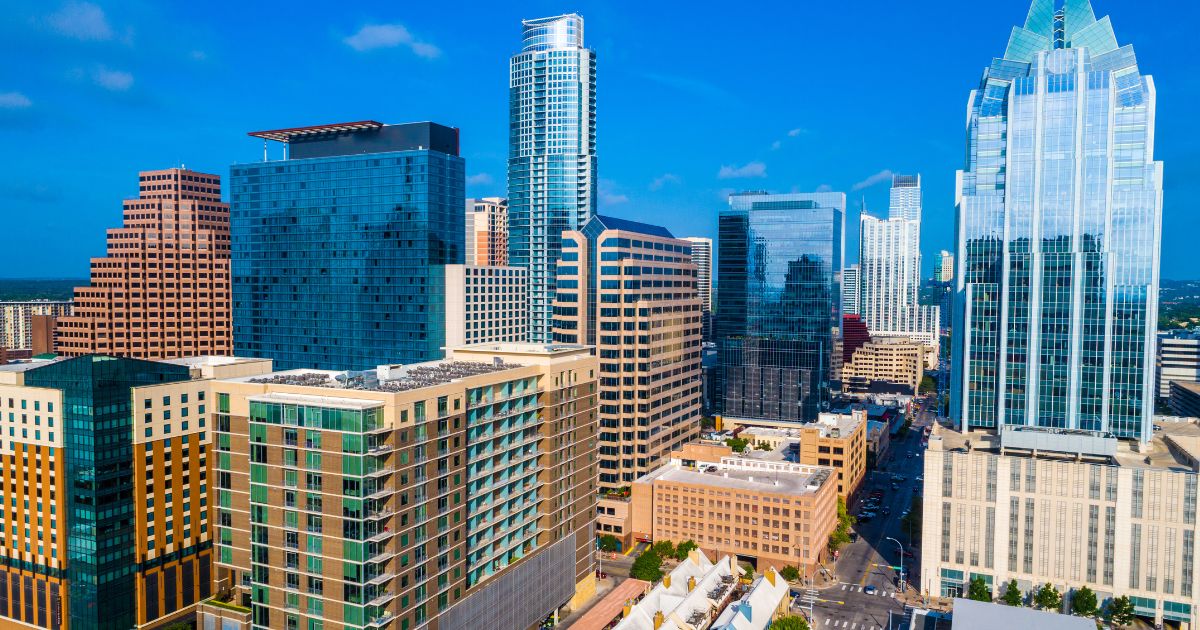
In recent years, many tech companies, such as the Big Four (Apple, Google, Facebook, and Amazon), have flocked to the capital city Austin. Oracle and Tesla, have recently announced their plans to move their headquarters within the year. Together, relocating tech companies have contributed a record 22,114 new jobs to the area.
While Austin is generally known as a hub of technology, it is not just specialized in that field, where tech companies can occupy as much as 60% of the city’s commercial real estate and employ 40% of the city’s jobs, no one company or industry dominates the Austin economy so significantly. In fact, the city has fostered a broad array of industries, from the government to health services, giving it some resilience in the case of a downturn. The surge in job opportunities has attracted massive human capital from across the country.
Exploding Growth:
Texas’ market sharply contrasts those of other states with rapidly rising costs of living. Further, Austin benefits from a robust job market, which has transformed the metro area into one of the fastest-growing cities in the country since 2010. Instead of slowing this growth, the pandemic has surprisingly amplified Austin’s appeal to newcomers. As a result, it was observed that it has been a favorite relocation destination for diverse demographics, including Gen Z fresh out of college, Millennial families priced out of coastal cities, and retirees looking for a warmer climate.
Additionally, Austin checks several boxes on the younger generations’ wish list. For example, it hosts multiple world-famous events and features bustling cultural, music, and dining scenes.

Austin has about twice the national average of employees working from home. Clearly, this translates into the need for more apartment space and better amenities. It is likely that the apartment building sector should continue to grow by 7% to 8% annually in Austin, Texas.
CONCLUSION
As you can see, it’s almost impossible to narrow down a single reason why investors are choosing Austin. Austin has started to make a name for itself on the world stage, and the amount of growth it has experienced in recent years seems to confirm that.
As informed investors we should understand the risks associated with real estate investing and that there is no guarantee. Please do your due diligence.