What is a Warehouse?
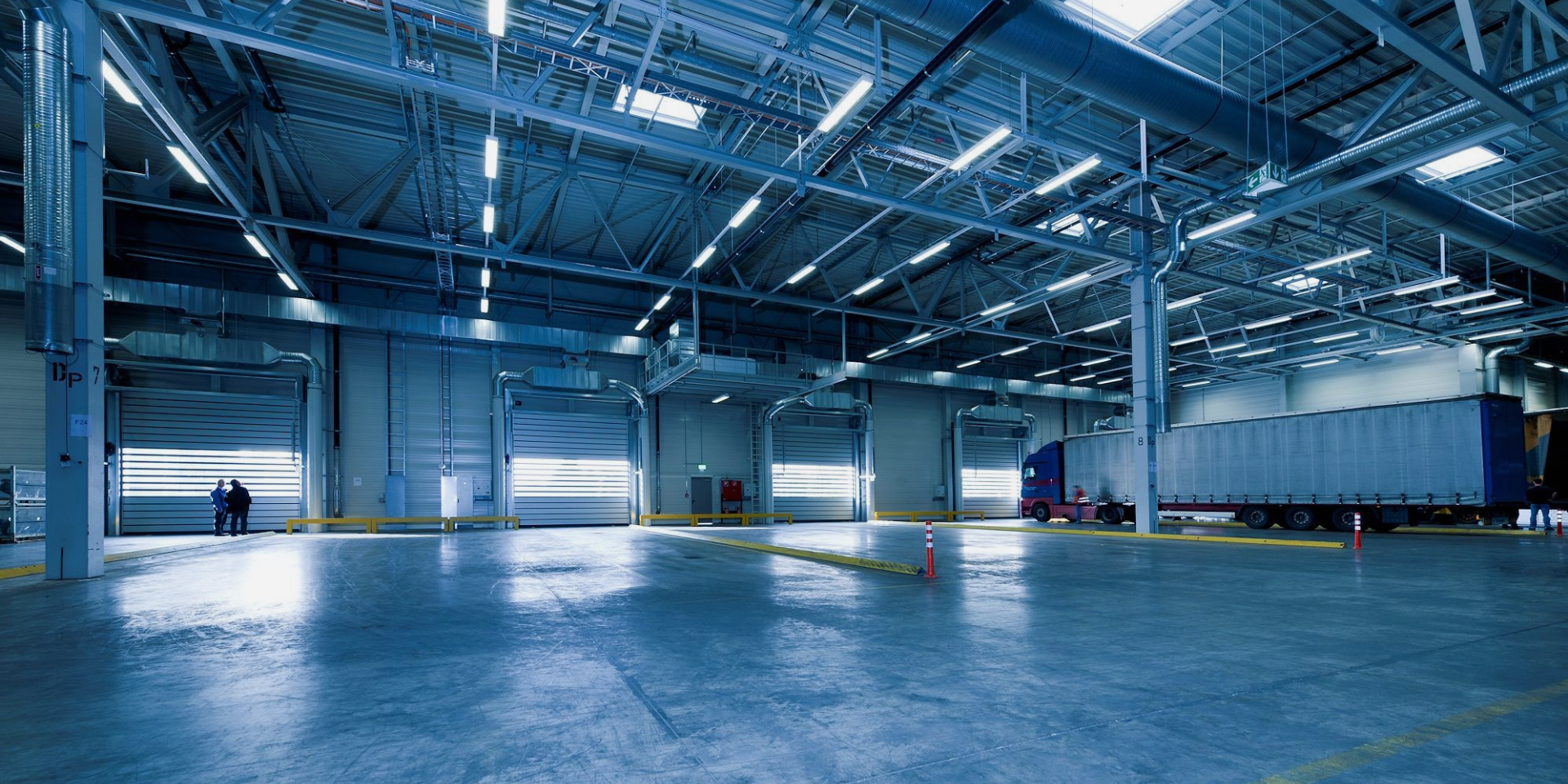
A warehouse is a building that stores products for stocking, packing, and shipping preparation. Warehouses are central locations that manage both inbound and outbound products.
When investing in commercial real estate, buyers and investors have a number of different options as it relates to property type. One possible investment is a warehouse property, which comes with a wide range of benefits and a high potential for profit.
This article will explain why investing in warehouse real estate is a good medium to build wealth.
Types of Warehouses for Sale
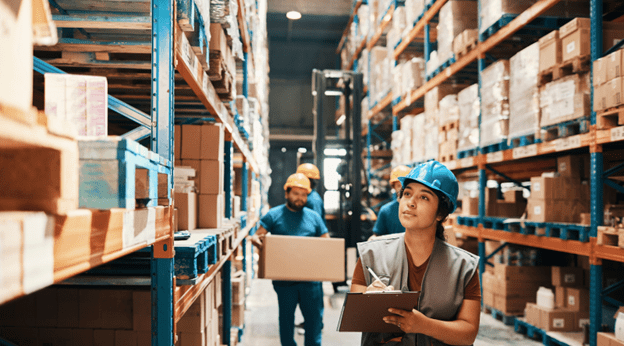
- Public warehouses
- Private warehouses
- Manufacturing warehouses
- Storage warehouses
- Automated warehouses
- Self-storage warehouses
- Distribution centers
- Technology warehouses
- Institutional warehouses
- Foodservice warehouses
- Raw materials warehouses
- Pick, pack, and ship warehouses
- E-Commerce fulfillment warehouses
The rapidly evolving and massively increasing shift to e-commerce is very favorable to spark a hike in warehouse demand. Now that is something that commercial real estate investors should line up to capitalize upon.
Benefits of Investing in Warehouses
First, the most significant upside of investing in warehouses is that most of the businesses that have shifted to an online storefront will need warehouses to store their inventory. Thus there is going to be a massive demand for such warehousing or even distribution centers.
Warehouses also tend to be relatively low maintenance properties where the focus is on storage and efficiency more than anything. Thus, commercial real estate investors who want to invest in warehouses don’t have to spend unnecessarily on the aesthetics or interior design of the properties. They just need to focus on the functionality of the space and design their warehouses in such a way that it can accommodate more storage space.
Another upside of investing in warehouses is that warehouse tenants are more inclined to sign longer-term leases soon.
Another benefit of investing in a warehouse is that the property is likely to appreciate over time, and the owner doesn’t really need to do anything to create that appreciation. Usually, when a lease agreement expires for a warehouse, the landlord will be able to charge higher rent with a new lease because the value of the warehouse will be higher than when the original lease was signed.
When it comes to disadvantages to buying a warehouse, there are only a few, but it’s important to understand the possible downsides. Mainly, property owners and investors should be aware that there’s always a vacancy risk when it comes to warehouses or any other type of property.
A warehouse with a single tenant increases your risk if they default or don’t renew their lease. They are long-term investments and they won’t fit a short-term investor.
Types of Warehouse Lease
Leasing a warehouse is very different from leasing other types of commercial real estate. While the lease terms may be similar, it is important to note the various types of leases.
- Triple net (NNN) lease
- Double net (NN) lease
- Gross lease
- Ground lease
1.Triple Net Lease (NNN) Lease
A triple net lease is the type of lease where the tenant agrees to pay for not only the fees for rent and utilities but also all of the commercial property’s operating expenses, such as maintenance fees, building insurance, and property taxes. Usually, triple net leases come with reduced rental prices because the tenant has assumed responsibility for the operating expenses.
2.Double Net Lease (NN) Lease
A double net lease requires the tenant to pay for the rent and utilities, as well as the property taxes and building insurance. However, the landlord pays directly for the building’s structural maintenance expenses. Like other net leases, base rent is generally lower since the tenant is responsible for additional expenses.
3.Gross Lease
A gross lease means you are responsible for paying the base rent. Generally, the landlord handles the additional building expenses, including maintenance fees, insurance, and real estate taxes. Typically, this results in relatively high rental rates but as a tenant, you only receive one bill that covers all necessary office expenses.
4.What Is a Ground Lease?
A ground lease is an agreement in which a tenant is permitted to develop a piece of property during the lease period, after which the land and all improvements are turned over to the property owner.
How to Estimate the Value on Warehouse Space
The value of a warehouse space can depend on a number of variables. The condition of the warehouse, along with its size, location and possible uses all play a role in determining its value. The value of a warehouse space can best be estimated by comparing it with warehouses that share similar characteristics. The more precise your information about comparable local values and the specific details of the warehouse you are evaluating, the more precise your estimated value will be.
Assess the use value of your warehouse. An empty warehouse with no facilities whatsoever will be worth less than a warehouse tailor-made to a specific use. For example, warehouses with custom refrigeration units or chemical safety equipment will typically cost more than bare warehouses. Warehouses built to serve different forklift types are also often valued differently.
Where To Invest in Warehouses
Choosing the right warehouse location can make all the difference. When it comes to selecting a location, it’s important to take the time and consider all of the following criteria;
- Accessibility to roads and highways as well as local traffic density must also be considered, especially if trucking is the main mode of transportation.
- Proximity to Airports, Railway Stations & Ports. In this case, the main mode of transportation used to receive or ship goods to and from the warehouse must be prioritized.
- Proximity to suppliers, producers, and the market being served must be also considered.
- Local environmental factors such as weather conditions and risk of exposure to natural disasters like hurricanes, tornadoes, earthquakes or floods should also be considered.
- Proximity to neighbors should be considered. Warehouses can be noisy, so avoid disputes, traffic congestion, and peak traffic hours.
SUMMARY
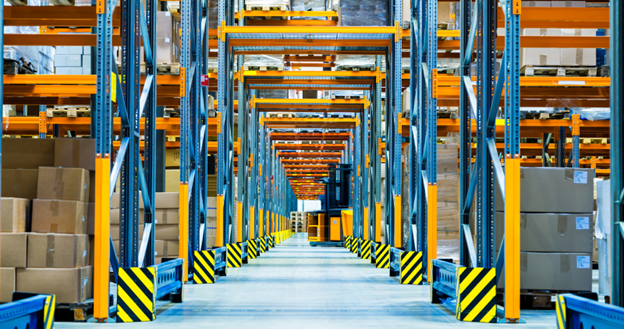
Buying or investing in a warehouse property is generally considered to be a good investment, with the pros far outweighing the cons. However, it’s best to work with a commercial real estate broker and complete your due diligence before closing on a deal. It’s crucial to select a warehouse that will properly accommodate your specific inventory while also providing access to facilities that will support long-term growth and profit.
As informed investors we should understand the risks associated with real estate investing and that there is no guarantee. Please do your due diligence.
Types of Warehouses?
- Public warehouses
- Private warehouses
- Manufacturing warehouses
- Storage warehouses
- Automated warehouses
- Self-storage warehouses
- Distribution centers
- Technology warehouses
- Institutional warehouses
- Foodservice warehouses
- Raw materials warehouses
- Pick, pack, and ship warehouses
- E-Commerce fulfillment warehouses
What are the benefits of Investing in Warehouses?
- Most of the businesses that have shifted to an online storefront will need warehouses to store their inventory.
- Warehouses tend to be relatively low-maintenance properties where the focus is on storage and efficiency more than anything.
- warehouse tenants are more inclined to sign longer-term leases soon.
- The property is likely to appreciate over time, and the owner doesn’t really need to do anything to create that appreciation.