
Medical buildings are properties that have been designed specifically for health care providers such as doctors, dentists and other clinicians. These buildings are typically structured with patient waiting areas, exam rooms, and specialized building systems and materials.
Moreover, health care is a fundamental human need and therefore, people do not hold off on seeking health care regardless of economic conditions. While some people may temporarily delay elective procedures, those who are sick and need medical treatment will continue doing so whether the stock market is up or down.
Medical buildings are an increasingly attractive asset class for commercial real estate investors to consider. The healthcare sector is one of the nation’s fastest growing industries, in terms of both demand for services and need for health care workers. Now that you know about Medical office buildings, it is important to know why investing in medical buildings should be on your consideration list.
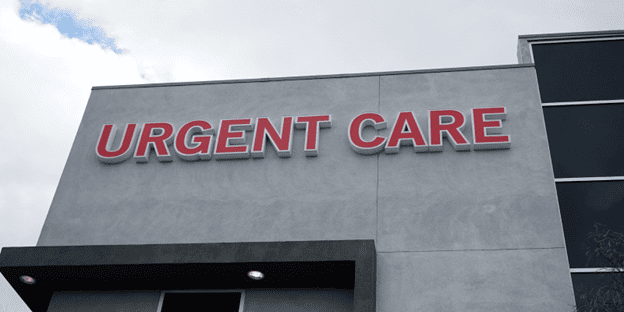
1.The Healthcare Industry Is Resilient
The necessity of healthcare makes it more resilient than many other industries. While consumers may cut down on entertainment and dining out during a recession, a healthcare issue will need to be treated regardless of the circumstances. The vitality of healthcare makes investing in medical buildings assets less risky than other types of investments.
Although technological advancements have given rise to telecommuting and telehealth options, video conferencing is a poor substitute for meeting your physician for an in-person appointment. In addition, a patient typically needs to be physically present for treatments and procedures. The demand for in-person appointments indicates that medical buildings have solidified their purpose and value as an asset.
2.Medical Buildings Perform Well Regardless Of The State Of The Economy
Medical office buildings tenants offer services that are recession proof. Whether the economy is slow or booming, everyone sooner or later needs to see the doctor. And although medical office buildings do require specialized infrastructure and can be management intensive, the type of tenant tends to vary, allowing investors a wide variety of tenants to choose from.
3.Medical Buildings Produce Stable Cash Flow
With low supply and high demand, medical buildings are a premium investment for investors. Moreover, due to the number of seniors requiring health care and the expense and difficulty in relocating, tenants typically sign long-term leases that allow them to remain in one location.
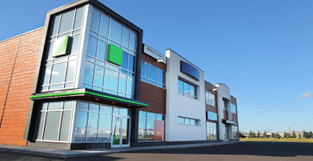
The complexity of medical office buildings and the services they provide also drives occupants to sign longer leases, which are a prime indicator of a market’s revenue predictability.
When a physician/owner decides to capitalize on their property’s equity by selling it and leasing it back, they gain additional funds to expand their practice, while the investor reaps the benefits of owning a net lease property.
4.The Aging Baby Boomer Population causing Dependable Demand
The aging baby boomer population assures that the demand for healthcare services outside of a traditional hospital setting will likely continue to rise. Baby boomers make up a large portion of the population, meaning healthcare providers can rely on a steady stream of clients for years to come. In fact, the healthcare industry will likely need to expand to accommodate aging baby boomers and continue offering preventive healthcare services.
Nearly 10,000 Americans are turning 65 years old each day, according to AARP. As people age, their need for health care increases. Someone who may have only visited the doctor once or twice a year when they were younger will often find themselves seeing the doctor 10+ times as they approach retirement age.
5.Diversification In Leasing
The diverse nature of medical building investments is a huge advantage for investors. A medical office space could house tenants of all sorts, including primary doctors, dentists, dermatologists, plastic surgeons, urgent care centers, dialysis centers, laboratory services and digital imaging services. Tenants from the healthcare industry often have a healthy income stream and strong patient followings that may attract complementary tenants.

Generally, medical practitioners are good quality tenants who are often supported by large government healthcare funding and medical insurance companies, therefore they typically have solid financials and statistically are less likely to default.
CONCLUSION
Demand for medical office buildings is expected to continue to grow in the coming years, particularly as the healthcare industry continues its shift away from inpatient care toward outpatient medical campuses and surgery centers.
If investing in medical buildings was not an option for you prior to reading this article, I believe that this article has been able to highlight how beneficial investing in medical buildings can be to you.
As informed investors we should understand the risks associated with real estate investing and that there is no guarantee. Please do your due diligence.
How do I finance the purchase of a medical building?
How do I find healthcare providers interested in leasing my medical building?
How do I determine the fair market rent for my medical building?
The fair market rent for medical buildings is typically determined by comparing the rent rates of similar properties in the area. Factors such as location, building condition, and tenant creditworthiness can also impact the rent rate. Consulting with a commercial real estate agent can help you determine the fair market rent for your property.